


What are LEED Certifications, and why do they matter?
- Ethan Swanker
- Apr 27, 2023
- 3 min read
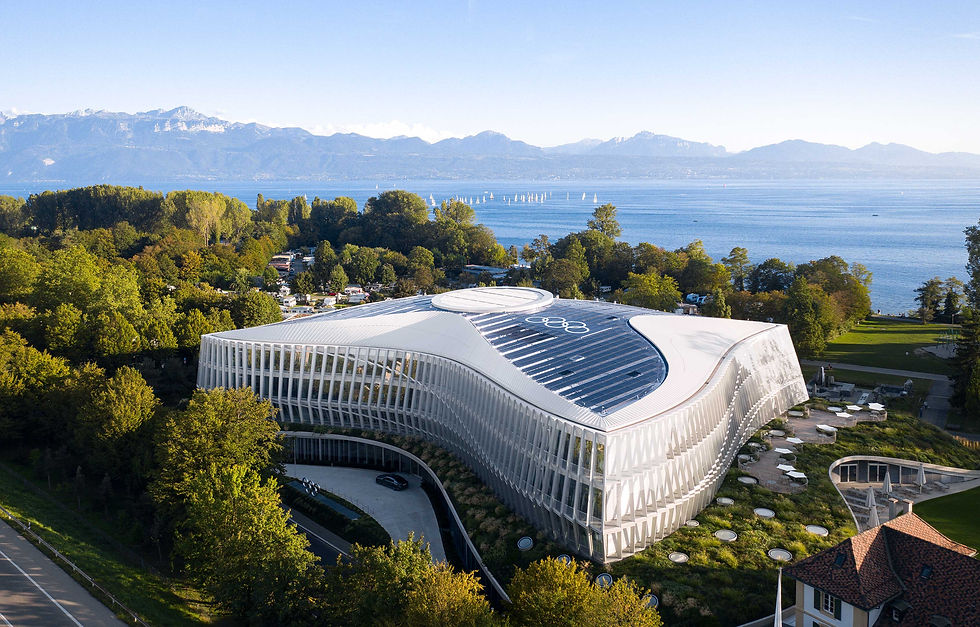
Photo: Olympic House - Lausanne, Switzerland (A LEED V4 Platinum Certified Building).
Source: International Olympic Committee
LEED (Leadership in Energy and Environmental Design) certification is a globally recognized rating system for sustainable building design and construction. Philadelphia has been a leader in sustainable development for years, and the city has embraced LEED certification as a way to promote eco-friendly building practices and reduce the environmental impact of new construction projects. Sustainable building practices have become a major trend in Philadelphia's real estate market, with many developers prioritizing LEED certification and other eco-friendly features in their projects.
The significance of LEED certifications in Philadelphia can be seen in the numerous LEED-certified buildings throughout the city, which demonstrate the city's commitment to sustainable development. LEED-certified buildings are meticulously designed to be energy-efficient, use sustainable materials, and promote healthy indoor environments. These buildings are not only better for the environment, but they also provide a better quality of life for the people who live and work in them.
With a growing emphasis on sustainability in the real estate industry worldwide, many developers and investors are looking for ways to make their projects more eco-friendly. By offering incentives and support for LEED certification, Philadelphia has been able to position itself as a leader in sustainable development, attracting new investment and development to the city. Overall, LEED certification has been an important tool for promoting sustainable development and driving economic growth in Philadelphia.
LEED certification can be applied to both new construction and the rehabilitation/renovation of existing property. While obtaining LEED certification can be an expensive process, it does come with valuable benefits. LEED certified buildings are healthier to live in, significantly reduce utility costs, and minimize negative environmental impact.
The application process for a LEED certification can be extensive. The LEED Rating system is based on seven categories: Sustainable Sites, Water Efficiency, Energy and Atmosphere, Materials and Resources, Indoor Environmental Quality, Innovation in Design Process and Regional Priority. A submitted application is scored on a scale from 0-100, and there are different classification of LEED certification that can be obtained. If an applicant scores at least 40 points, they are officially LEED Certified! Furthermore, if the applicant scores between 50-59 points they obtain a Silver LEED certification, between 60-79 points the applicant receives a Gold LEED Certification, and over 80 points grants the applicant Platinum LEED certification, the highest level of LEED certification possible.
Some ways to receive points in an application for LEED Certification include:
Energy efficiency: The implementation of energy-efficient technologies and strategies such as LED lighting, high-efficiency HVAC systems, and renewable energy sources like solar panels and wind turbines.
Water conservation: The incorporation of water-efficient fixtures such as low-flow toilets, faucets, and showerheads.
Sustainable materials: The use of sustainable building materials like bamboo, recycled steel, and reclaimed wood that have a lower carbon footprint and are healthier for the environment.
Indoor environmental quality: Promoting healthy indoor air quality by using low VOC (volatile organic compounds) paints, adhesives, and building materials. Providing adequate ventilation and air filtration systems to ensure fresh air circulation.
Site sustainability: Selecting a site that is accessible by public transportation, bike paths, and pedestrian walkways. Preserve the natural landscape and use green infrastructure techniques like permeable pavement and green roofs to minimize the impact on the environment.
Innovation: Explore innovative solutions that go beyond the traditional strategies mentioned above. Use innovative technologies and approaches to reduce waste, conserve energy, and promote sustainable practices.
By implementing these strategies, and demonstrating commitment to sustainability and environmental responsibility, points can be earned towards a good LEED certification rating.
In conclusion, LEED certifications are highly significant for buildings and their occupants, as well as for the environment as a whole. Obtaining a LEED certification in Philadelphia requires careful planning, documentation, and collaboration with a LEED Accredited Professional. While the process may be challenging, it can help developers to create more sustainable, energy-efficient buildings that promote healthy living and a cleaner environment. LEED certifications represent a commitment to sustainable building practices and demonstrate a desire to mitigate the environmental impact of buildings. LEED-certified buildings offer numerous benefits to everybody involved, such as reduced energy and water usage, lower utility costs, and improved indoor environmental quality, as well as increased marketability and social responsibility. In a world facing increasing climate change and resource depletion, LEED certifications matter because they promote sustainable practices and help create healthier and more livable communities. As such, obtaining a LEED certification is an important step towards a more sustainable and resilient future for us all.


Comments